How Restaurant Automation and Commercial Kitchen Technology Cut Operating Costs
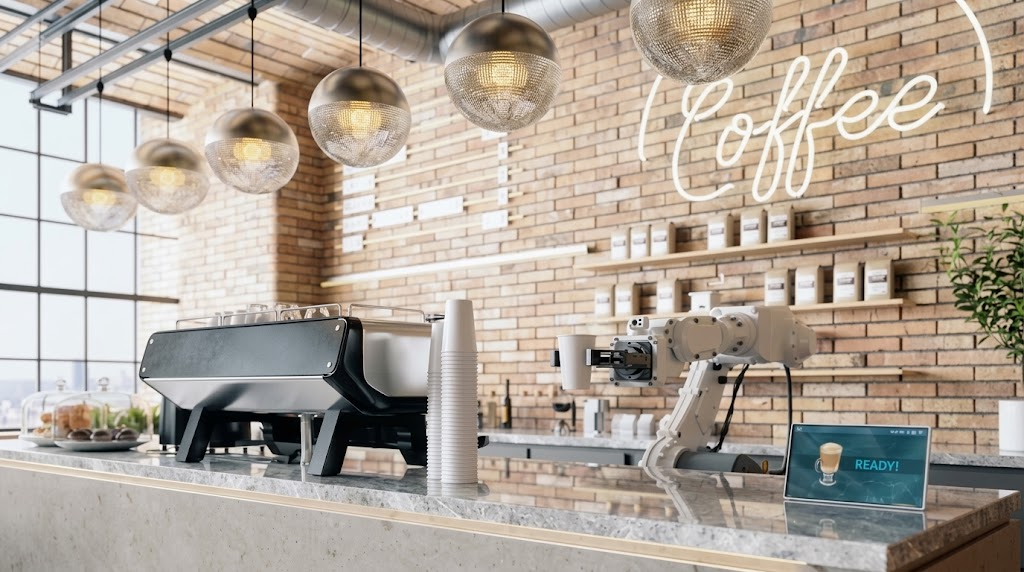
Restaurant automation and modern commercial kitchen technology reduce operating overhead by targeting three major line items: food waste, utility consumption, and kitchen labor hours. Beyond experimental robotics, operators find the most immediate returns in connected hardware, programmable cooking suites, and passive IoT telemetry.

Restaurant automation and modern commercial kitchen technology reduce operating overhead by targeting three major line items: food waste, utility consumption, and kitchen labor hours. Marketing narratives often promote experimental robotics like burger-flipping arms and autonomous woks, but real-world operators find the most immediate returns in connected hardware, programmable cooking suites, and passive IoT telemetry.
Implementing a connected kitchen requires evaluating these operational gains against recurring SaaS fees, proprietary maintenance risks, and cloud software dependencies.
Marketing Claims vs. Practical Back-of-House Realities
High-profile food prep robots frequently struggle in commercial settings. Delicate ingredients, varying shapes, and sensory evaluations like detecting spoiled produce or uneven textures still require human oversight. Successful kitchen deployments prioritize consistency, portion control, and passive compliance over mechanical novelty.
| Automation Category | Promised Cost Reduction | Operational Friction Point | Best Practical Application |
|---|---|---|---|
| IoT Cold-Chain Telemetry | Prevents overnight inventory loss and eliminates manual temperature checks. | Alert fatigue if notification bands are set too tight during active prep hours. | Walk-in freezers, reach-in lines, and raw protein storage. |
| Smart Combi Ovens | Standardizes multi-stage cooking to reduce skilled culinary labor needs. | High initial capital cost and reliance on specialized board technicians. | High-volume kitchens, bakeries, catering operations, and QSRs. |
| Actual vs. Theoretical (AvT) AI | Uncovers hidden inventory shrinkage and automated prep variances. | Requires complex sub-recipe programming to account for natural butchery trimming yield loss. | Multi-unit operations with tight ingredient margins. |
| Physical Prep Robotics | Lowers line-level prep hours on repetitive dishes. | Extended sanitation routines; airborne kitchen grease clogs intricate mechanical gears. | Standardized, single-item volume production (such as automated fry stations). |
Reducing Food Waste and Inventory Leakage
Food waste represents a major controllable expense in foodservice operations. Commercial automation systems prevent ingredient loss through continuous environmental tracking and precise inventory reconciliation.
1. Passive Cold-Chain Monitoring and HACCP Automation
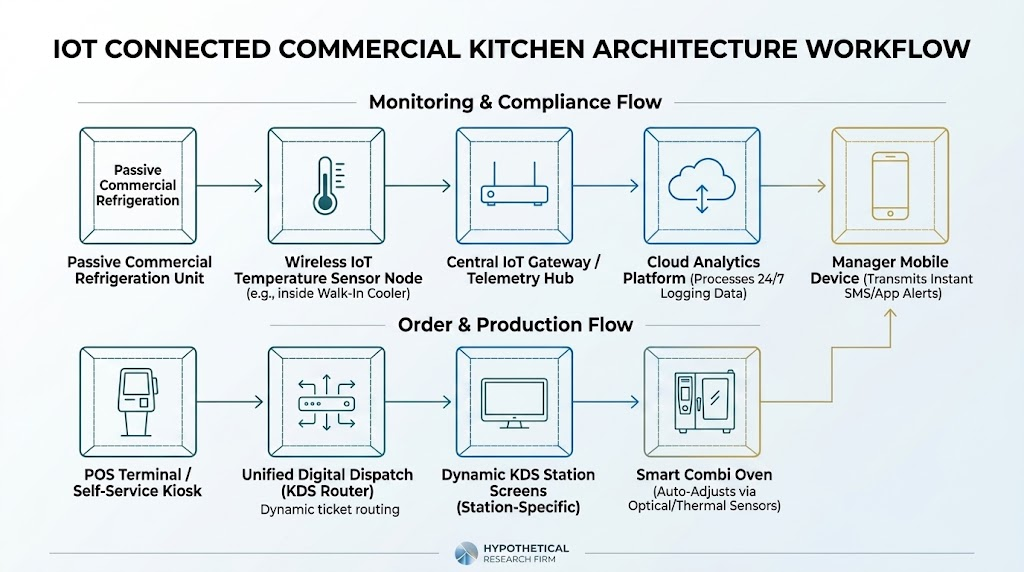
Manual clipboard temperature logs invite human error, forgotten entries, and missed equipment failures. Wireless IoT sensor nodes placed inside walk-in coolers and reach-in units record continuous temperature profiles without manual intervention.
When upgrading line units or walk-ins, commercial facilities rely on heavy-duty commercial refrigeration equipment fitted with passive telemetry loggers to safeguard high-cost ingredients. If a compressor malfunction occurs overnight or a door remains unlatched at 2:00 AM, the monitoring hub sends automated SMS notifications to managers before ambient air reaches the food safety danger zone, preventing catastrophic inventory spoilage.
2. Actual vs. Theoretical (AvT) Inventory Tracking
Modern inventory platforms link directly to Point of Sale (POS) transaction feeds to calculate theoretical ingredient usage against real-time stock levels. These systems quickly pinpoint portion drift, kitchen misfires, and internal shrinkage.
To prevent phantom variance alerts, culinary managers must calibrate software databases to reflect unpreventable yield loss, such as butchery trimmings and cooking moisture reduction. Automating these administrative metrics mirrors best practices for automating repetitive business tasks, replacing manual clipboard counts with automated reconciliation.
Utility Optimization and Smart Kitchen Hardware
Commercial kitchens consume roughly five to seven times more energy per square foot than standard commercial office buildings. Upgrading to appliances certified under ENERGY STAR commercial food service standards limits peak electrical consumption without compromising line output.
Commercial Energy Savings = Reduced Idle Wattage + Automated Peak Load Shedding + Shorter Hood Run Cycles
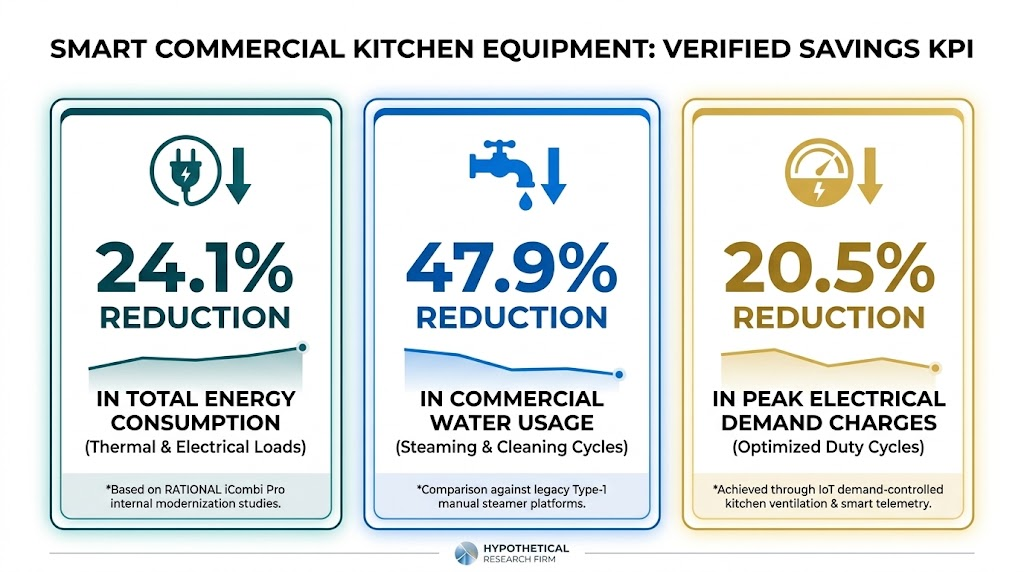
- Connected Combi Cooking: Smart multi-use combi-ovens replace separate steamers, convection units, and holding cabinets. Studies from commercial kitchen modernizations indicate that upgrading to smart combi units can reduce energy consumption by up to 24.1%, slash water usage by 47.9%, and lower peak electrical demand by 20.5%.
- Demand-Controlled Kitchen Ventilation (DCKV): Traditional kitchen exhaust hoods run blowers at 100% capacity from open to close. Smart DCKV systems deploy optic and thermal sensors within the hood canopy, adjusting fan speeds to match actual cooking heat and effluent levels to lower conditioned air loss.
- Compressor Duty-Cycle Optimization: IoT sensors track commercial refrigeration duty cycles to identify failing evaporator coils, dirty condensers, or compromised magnetic door gaskets before strained components trigger utility penalties.
Lowering Labor Expenses: Streamlining Tickets and Line Consistency
Rising minimum wages and back-of-house turnover pressure restaurant margins. Operators deploy technology to simplify execution so kitchens can run smoothly with smaller, highly efficient line teams.
1. Kitchen Display Systems (KDS)
Physical paper tickets create kitchen bottlenecks, missed modifiers, and unorganized prep rails. Digital Kitchen Display Systems dynamically prioritize incoming orders based on programmed station cook times.
A digital ticket screen balances workloads between fry, grill, and cold assembly stations so all components of an order complete simultaneously. This eliminates communication errors between front-of-house terminals and back-of-house staff, speeding up table turn times during peak hours.
2. Multi-Stage Recipe Automation
Smart cooking platforms store hundreds of multi-phase recipes accessible through touchscreen menus. Touch-activated programs control steam injection, temperature shifts, and fan speeds automatically.
This enables entry-level kitchen staff to execute complex cooking procedures consistently, shortening new employee training periods while protecting signature recipe execution across all operational shifts.
Technical Pitfalls and Hidden Automation Expenses
Transitioning to automated kitchen operations introduces software dependencies, maintenance challenges, and integration expenses that require careful oversight.
- Subscription Overhead and Integration Fees: Stacking multiple independent software services (POS, inventory trackers, digital ordering, and KDS) creates significant recurring monthly expenses. Many platforms assess recurring middleware bridge fees to maintain API connections between separate platforms. Operators must review software licensing structures, as outlined in our analysis of the costs of switching business software, to protect margins against vendor lock-in.
- The Maintenance Dilemma: Mechanical kitchen equipment can last for decades with basic upkeep from local technicians. In contrast, smart kitchen appliances utilize proprietary logic boards and digital sensors. A single electrical fault can freeze an entire production station, leaving operators facing long lead times for specialized factory technicians.
- Network Failures and API Downtime: Automated ordering channels, Voice AI phone platforms, and cloud KDS systems depend heavily on continuous internet connectivity. Cloud micro-outages during peak weekend services can disrupt order pipelines. Maintaining offline backup protocols and securing transaction data, as explained in our review of cloud backups over local storage, ensures continuity when external networks fail.
- Aerosolized Grease Maintenance: Commercial kitchen environments expose hardware to high heat, humidity, and airborne cooking oils. Complex mechanical robotics demand intensive daily cleaning protocols to prevent mechanical binding, which can shift labor from cooking duties to equipment maintenance.
Offsetting Capital Costs: The Section 179 Advantage
Smart appliances carry a higher purchase price than traditional manual equipment. However, operators can neutralize upfront capital outlays using tax depreciation provisions.
Under IRS Section 179, qualifying commercial food businesses can deduct up to 100% of the acquisition cost of qualifying cooking, refrigeration, and technology hardware in the year it is placed in service, subject to annual federal limits. By combining Section 179 expensing with equipment financing or structured capital leases, operators can capture an upfront tax write-off that preserves critical cash reserves during kitchen modernization.
Frequently Asked Questions
What is the difference between hard robotics and smart kitchen appliances?
Hard robotics involve physical mechanical arms or automated gantries that physically move utensils, flip items, or assemble foods. Smart kitchen appliances use internal digital controls, optical sensors, and IoT data connections to automate internal operating parameters (such as steam, temperature, and cooking duration) within standard equipment footprints.
Can legacy commercial kitchen equipment be automated without full replacement?
Yes. Commercial kitchens do not need to replace functional manual appliances to implement automation. Battery-operated magnetic IoT temperature probes, external current monitoring clips, and retrofitted kitchen display controllers connect existing physical equipment to central tracking dashboards without expensive equipment overhauls.
How does restaurant automation improve workplace safety?
Commercial automation handles hazardous, highly repetitive tasks that frequently cause kitchen injuries. Automated cooking oil filtration systems pump, filter, and return boiling oil without manual handling, reducing severe grease burn risks and slip-and-fall hazards around frying stations.
Why do some automated kitchen systems lead to operational bottlenecks?
Bottlenecks occur when rigid software systems do not allow human staff to make manual adjustments during unexpected rushes. If a computerized ordering algorithm miscalculates station cook times or locks out equipment for automated cleaning cycles during peak volume, line cooks cannot bypass the system, creating ticket delays across the kitchen.
Alex Vance
Senior Tech Analyst & Systems Architect
Alex Vance is a Systems Architect and Senior Tech Analyst with over 8 years of experience evaluating cloud infrastructure, AI integration, and enterprise software models. He focuses on practical, scalable technology deployment for modern businesses.