Moto Watch Ultra: Motorola Returns to Wear OS
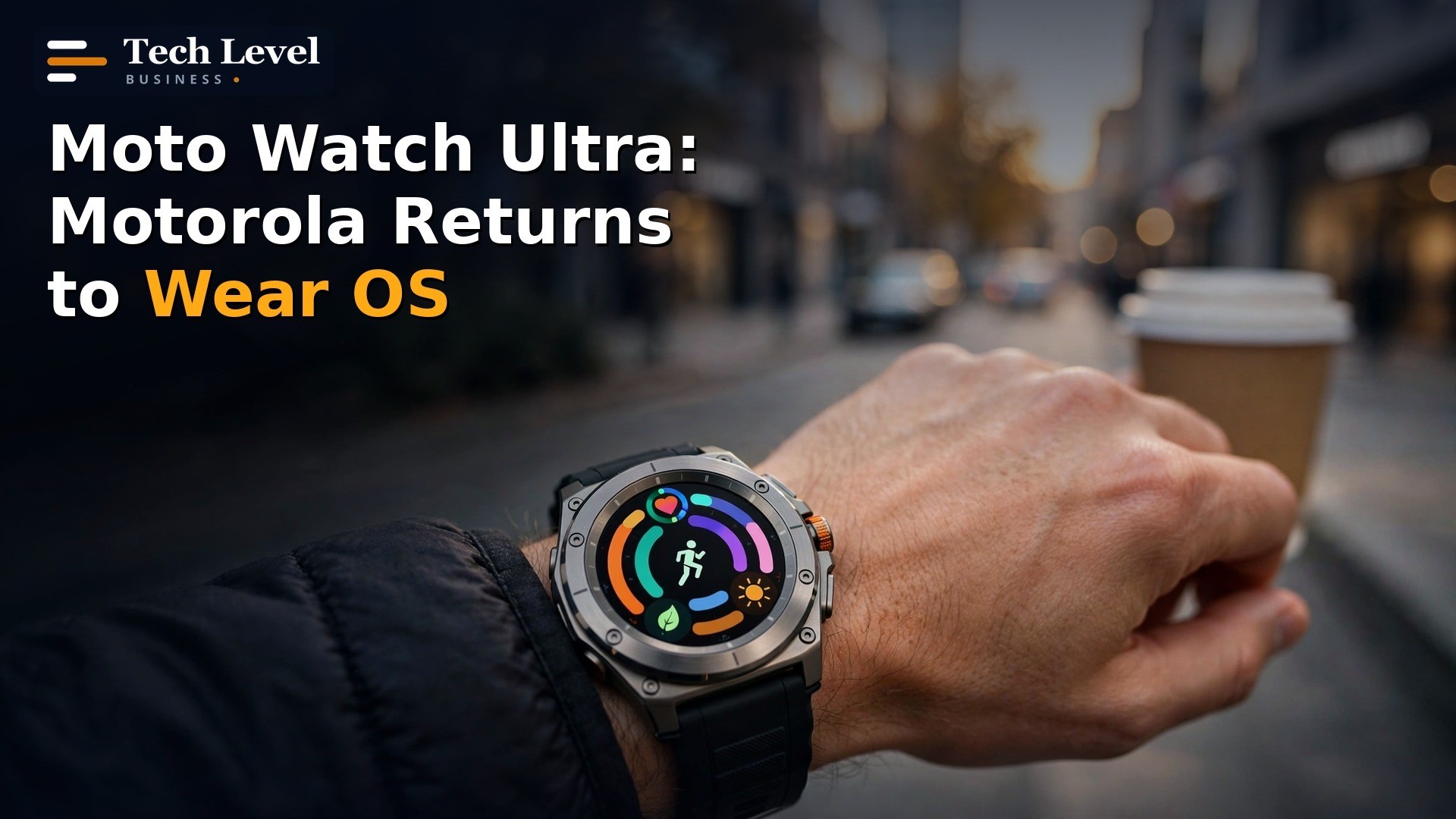
Motorola is back on Wear OS with the Moto Watch Ultra a $349.99 LTE smartwatch with Polar fitness tracking, a 1.5-inch OLED display, and up to 2 days of battery life.
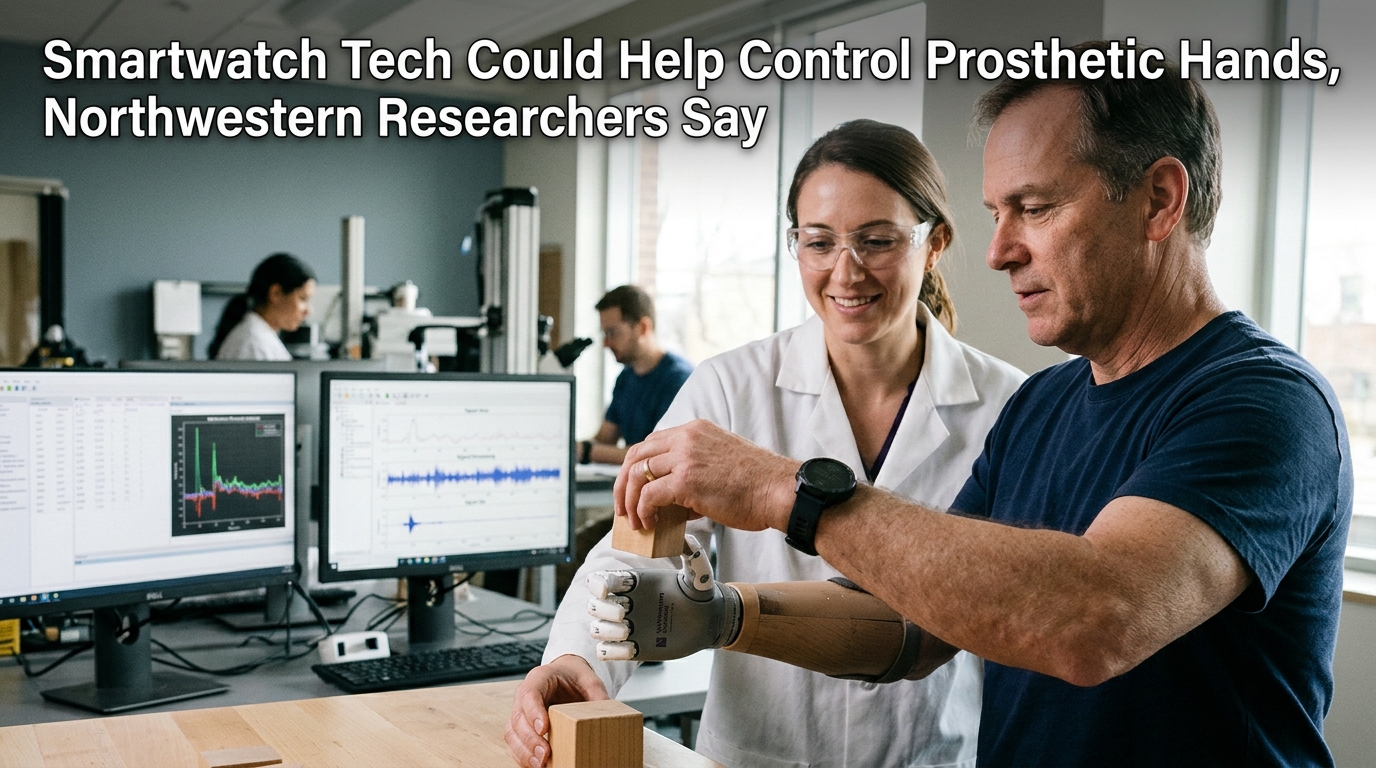
Northwestern University engineers have built two smartwatch systems that read hand and arm movements using only wrist sensors. Researchers say the work could someday help control prosthetic hands, but it is still early-stage research.
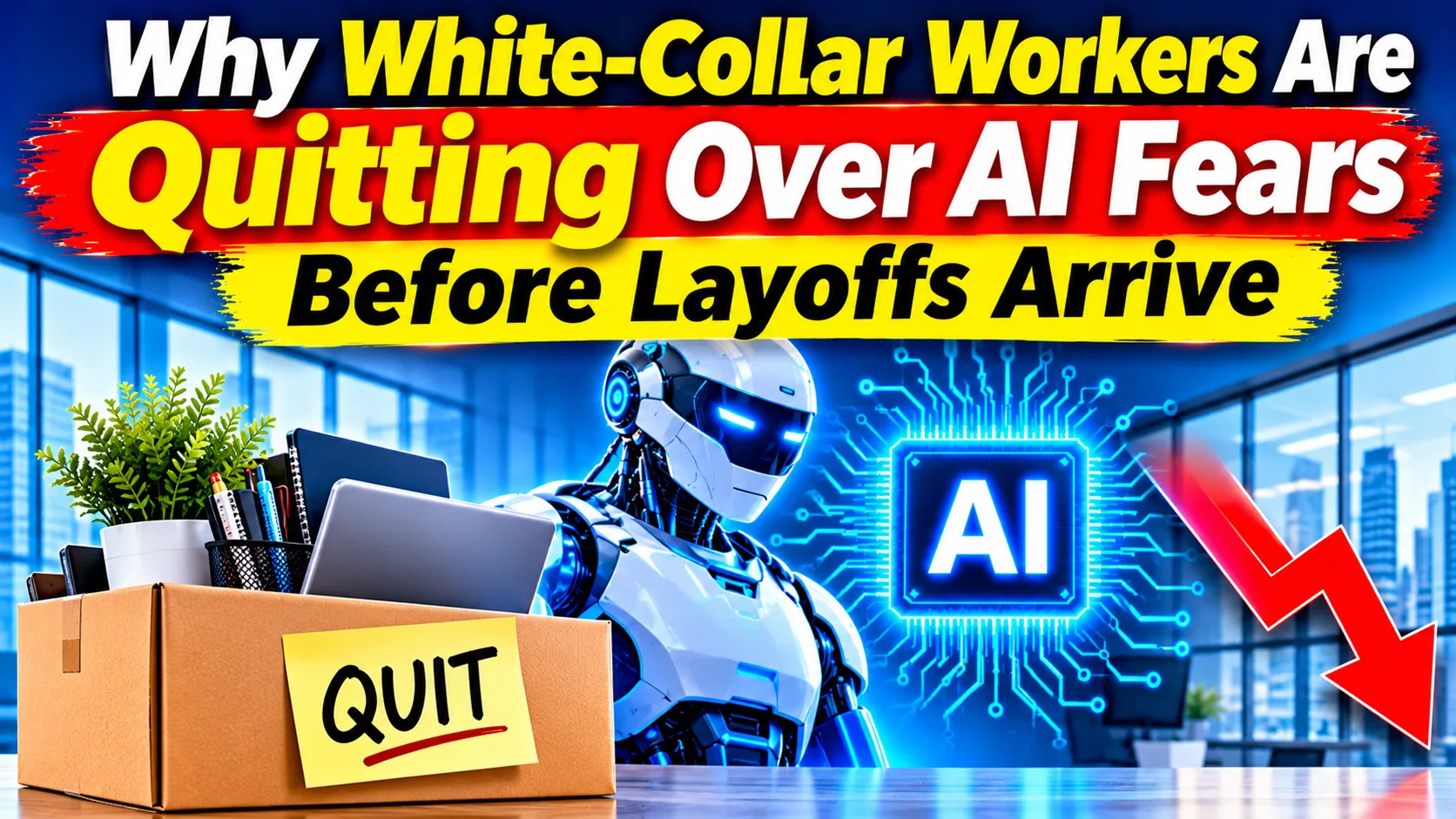
Some white-collar workers are leaving careers over fears of AI disruption, even though data shows no mass AI-driven layoffs so far. The Guardian reports that worker psychology has already shifted.
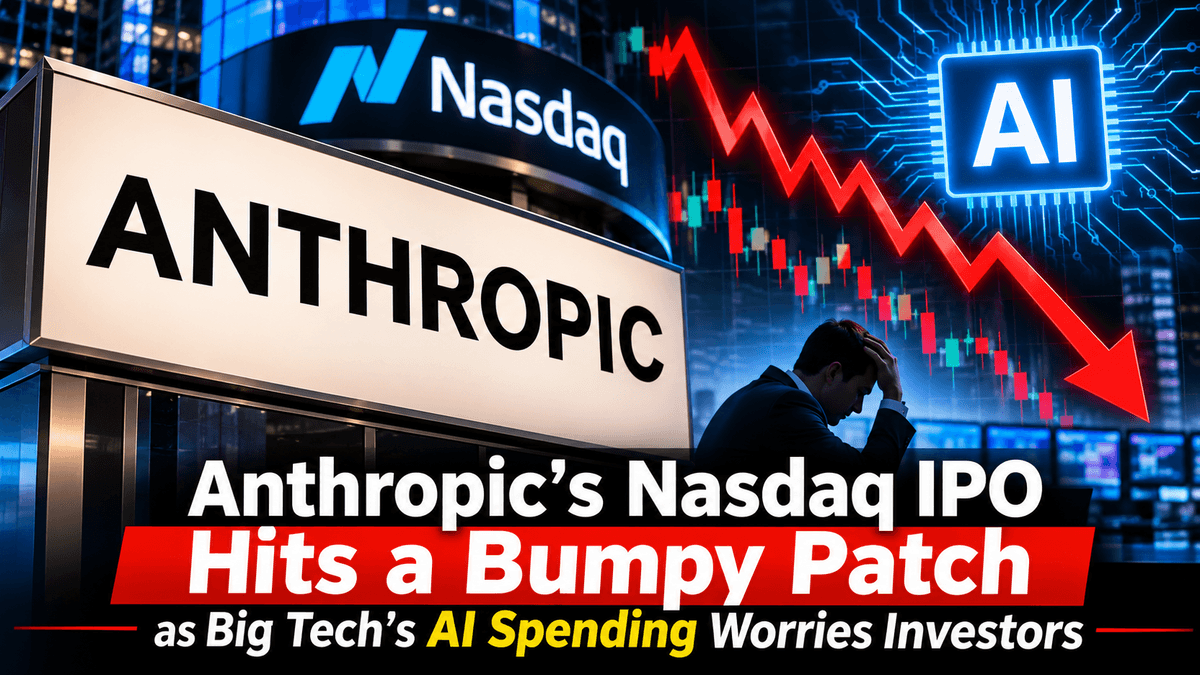
Anthropic’s planned Nasdaq IPO now faces a rougher market. Days after its prospectus showed an $80 billion first-half loss, Microsoft, Google and Amazon reported heavy AI spending and thinner cash flow. Cloud demand, however, remains strong.
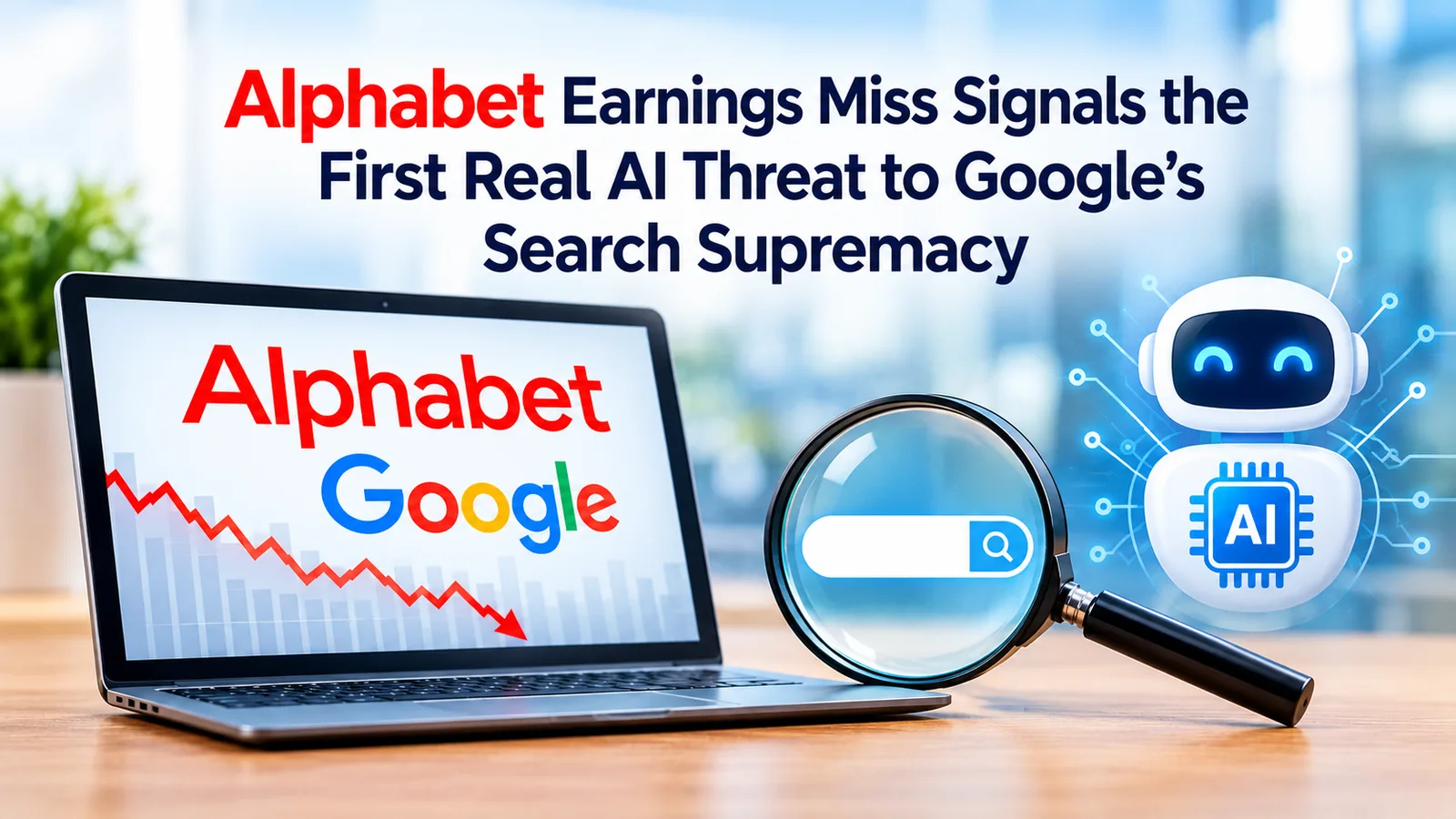
Alphabet stock experienced a sharp drop following a quarterly earnings miss, as softer Google Search revenue revealed the first tangible signal that conversational AI platforms are actively siphoning user search queries and advertising dollars.
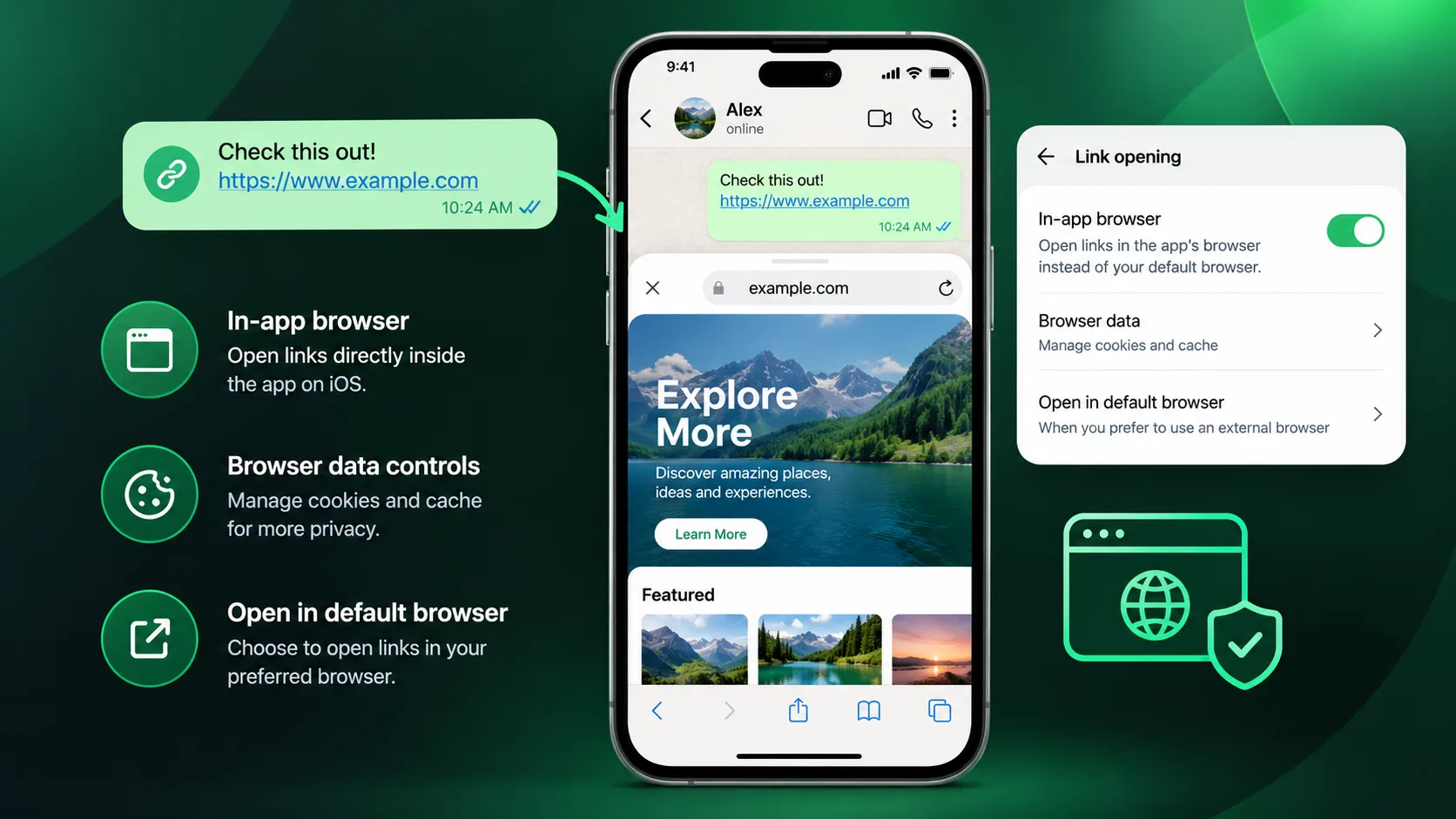
WhatsApp is developing an in-app browser for iPhone that would open any link from a chat inside the app. It appeared in a TestFlight beta, is not yet available to testers, and has no announced release date.
Microsoft and Nvidia unveiled the Surface Laptop Ultra built around the new RTX Spark chip. Here is what local AI means, what remains unconfirmed, and who should care.
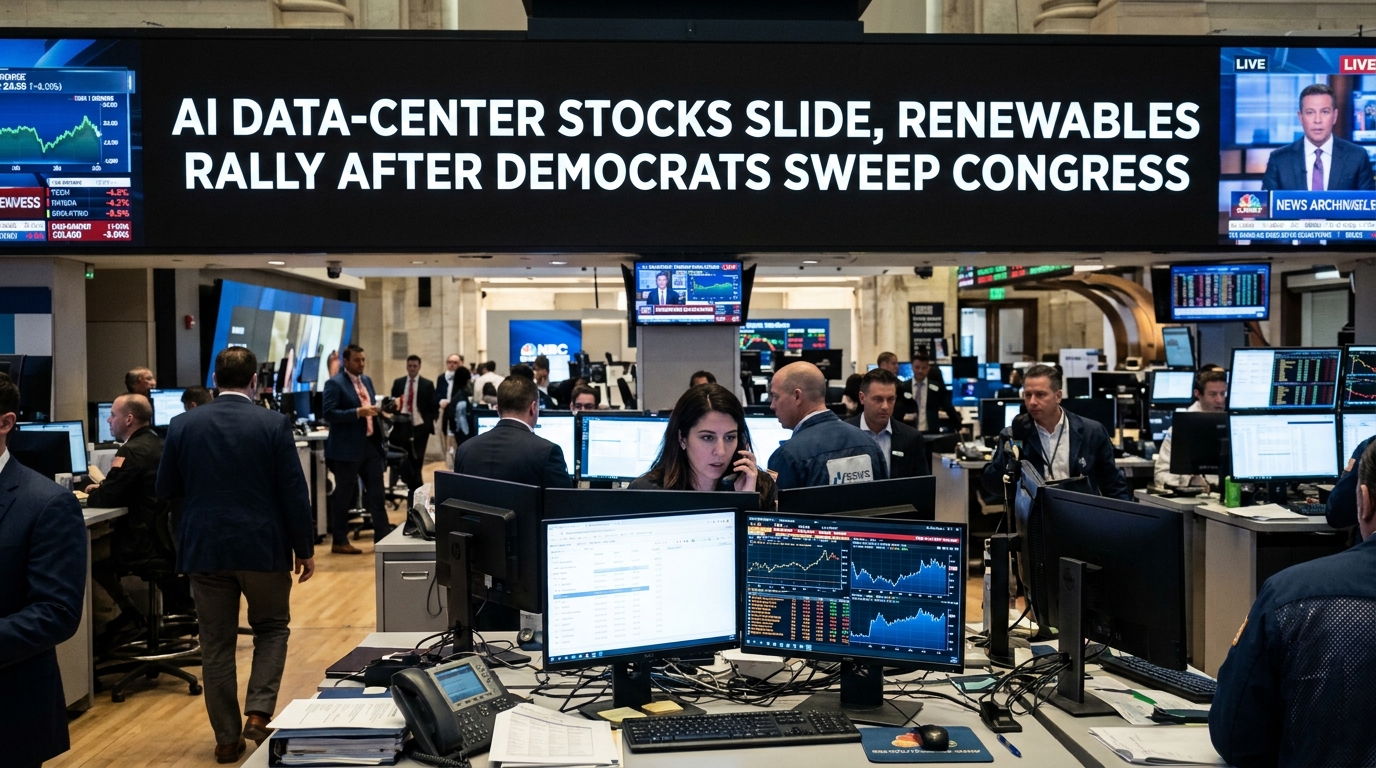
Democrats won both the House and Senate on November 3, pushing AI data-center stocks lower and clean-energy shares higher. Fears of tougher oversight then deepened into a Nasdaq correction on Thursday, before a modest rebound on Friday.
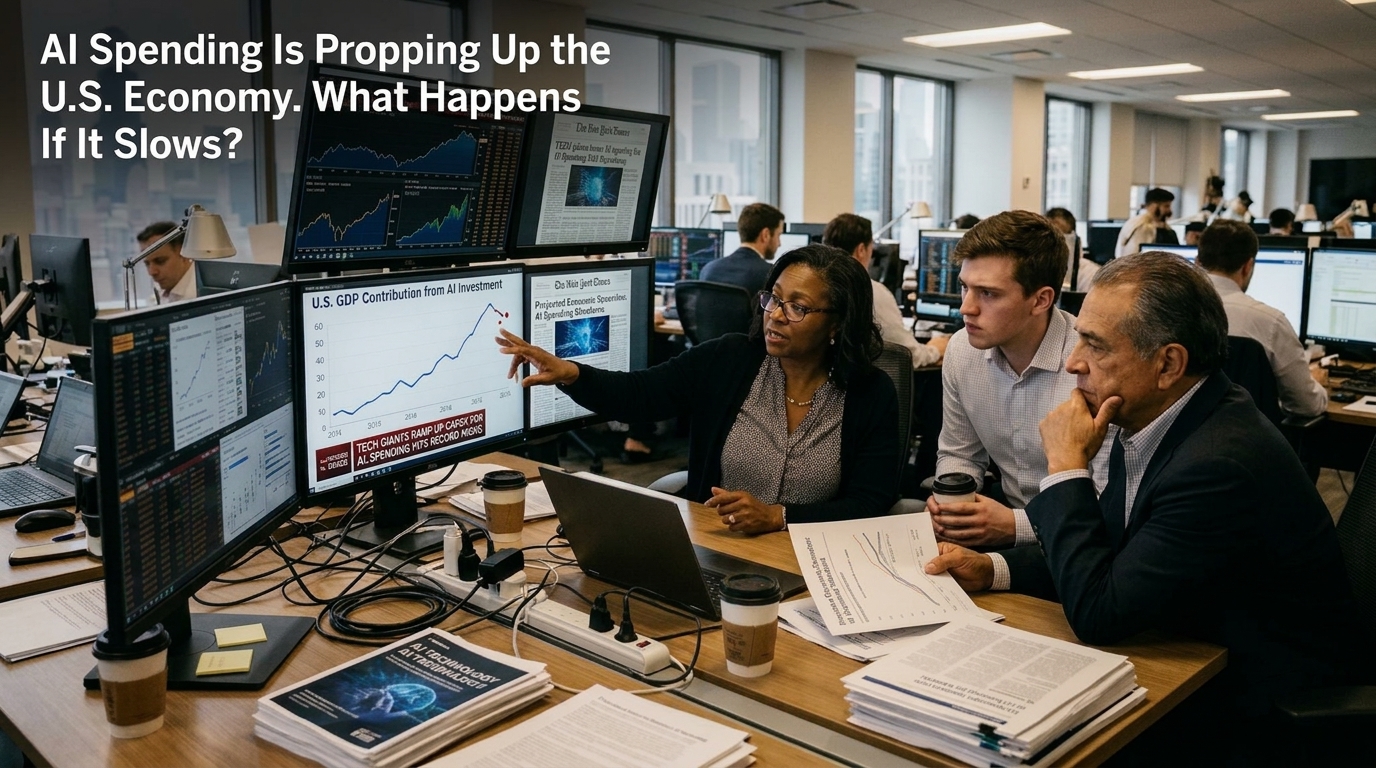
AI investment is helping hold up U.S. growth, but this week’s sharp tech selloff shows how fragile that support can be. Here is what the data says and what a slowdown could mean for Americans.
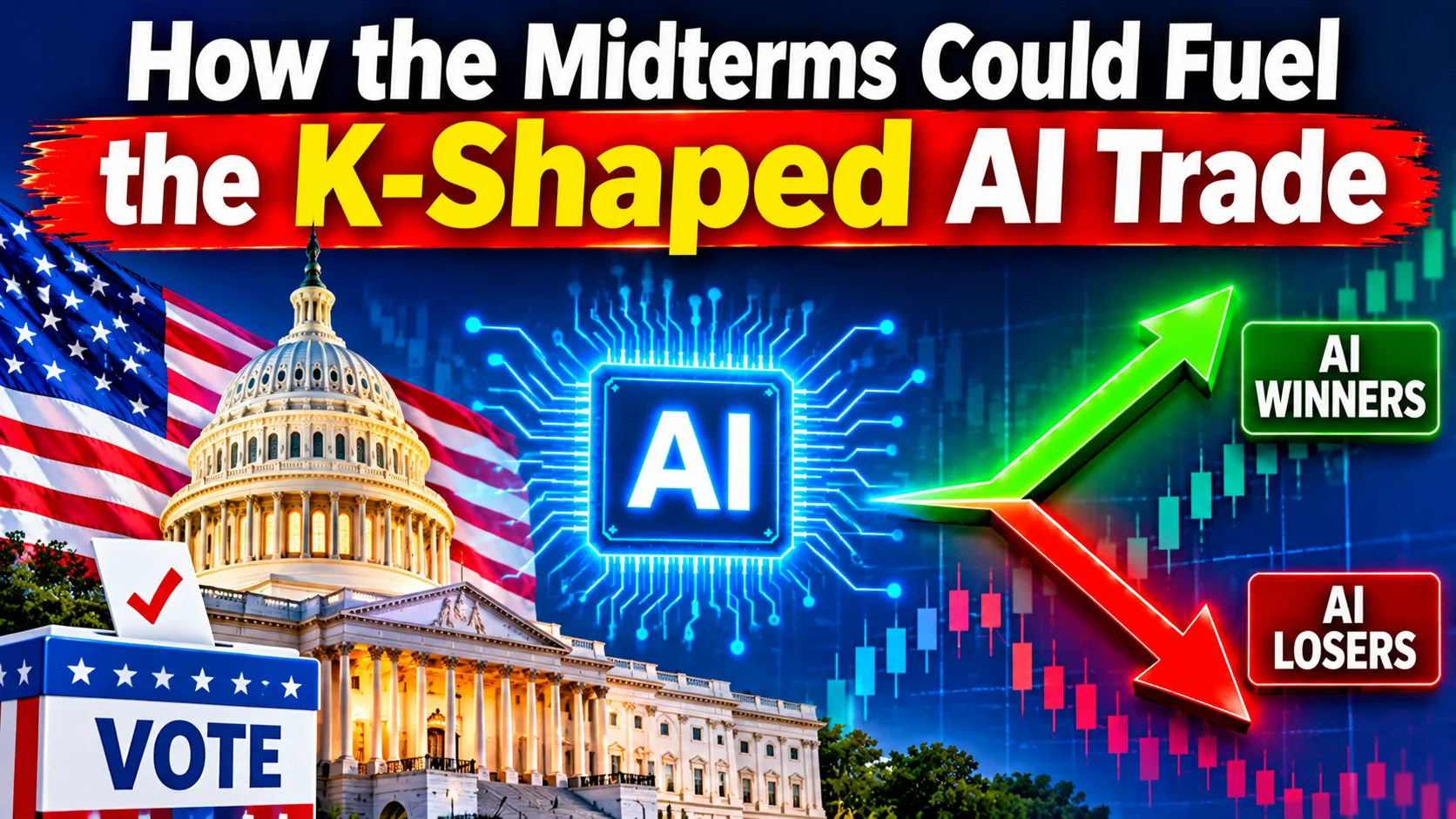
As the 2026 midterm election results settle, Wall Street analysts predict a widening divergence in artificial intelligence investments. Democratic gubernatorial wins are expected to tighten regional permitting and power grid access for new hyperscale data centers, accelerating a K-shaped stock split between well-capitalized tech megacaps and energy-constrained infrastructure providers.
Anthropic’s planned Nasdaq IPO now faces a rougher market. Days after its prospectus showed an $80 billion first-half loss, Microsoft, Google and Amazon reported heavy AI spending and thinner cash flow. Cloud demand, however, remains strong.
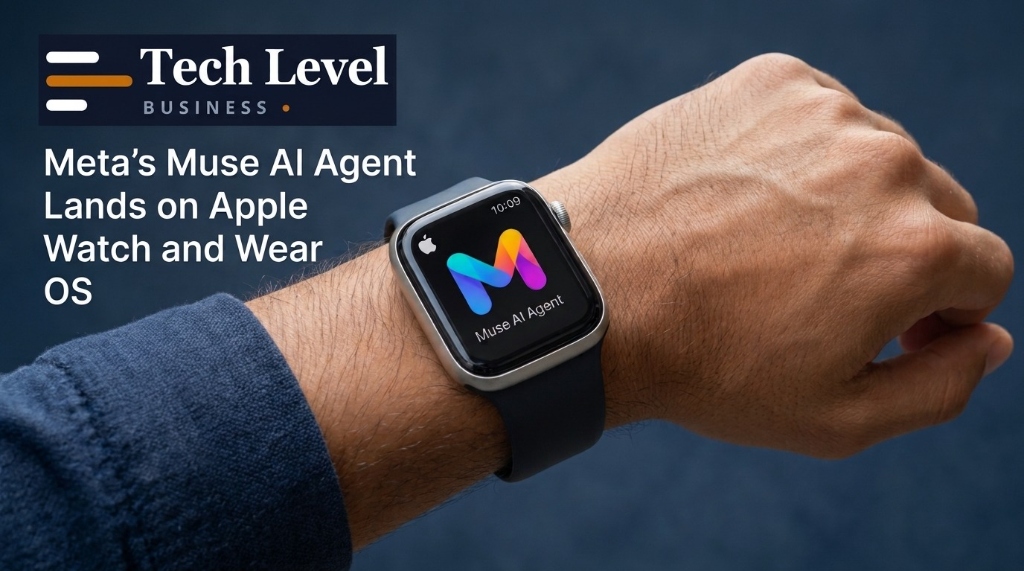
Meta has brought its Muse AI agent to Apple Watch and Wear OS. U.S. users can now text, dictate or call Muse from their wrists, while the real work still happens in Meta’s cloud.
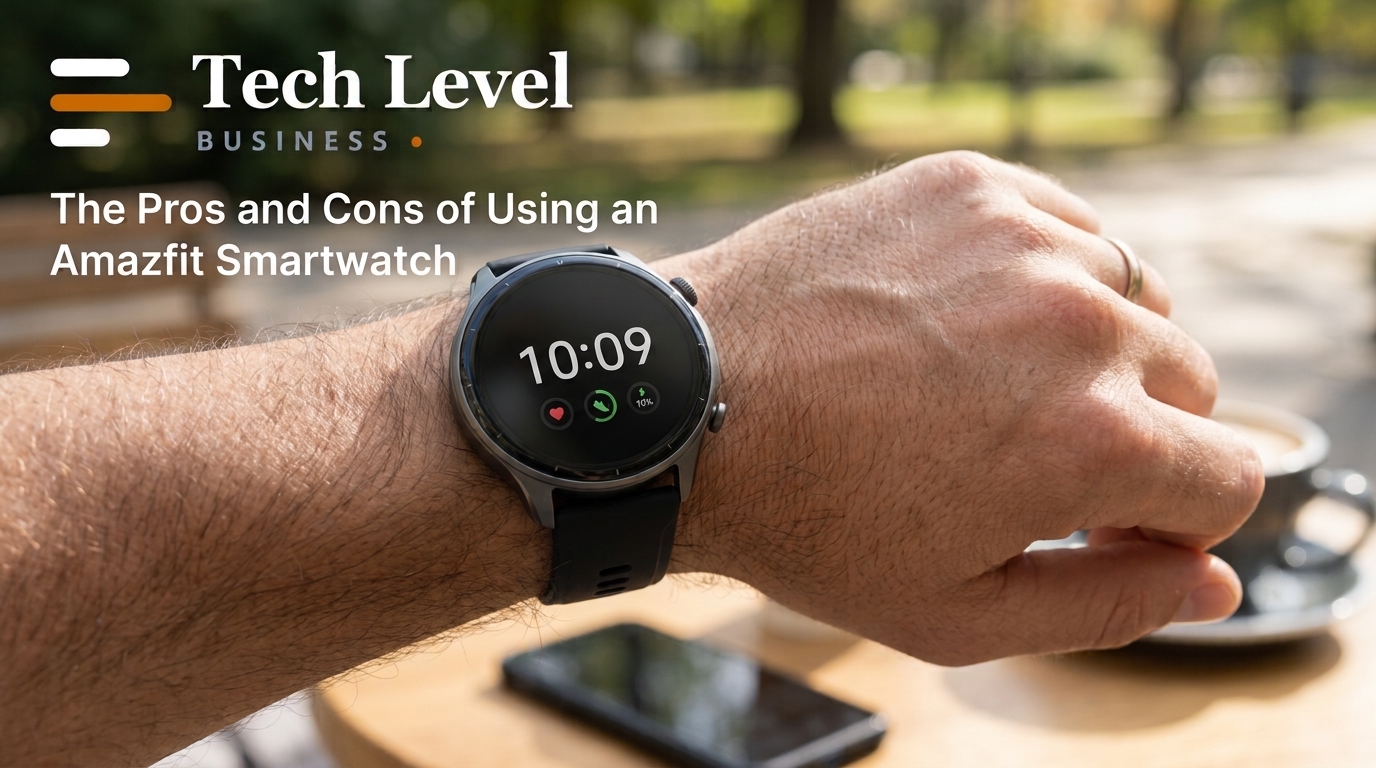
Amazfit smartwatches continue to disrupt the wearable tech market by offering exceptional battery life, comprehensive fitness metrics, and sleek aesthetic designs at a fraction of the cost of premium competitors. However, buyers must weigh these benefits against minor trade-offs, including a basic third-party app ecosystem, limited voice assistant integrations, and occasional software quirks. Detailed reporting from Engadget's Amazfit hands-on breakdown outlines how these trade-offs impact real-world daily usage.
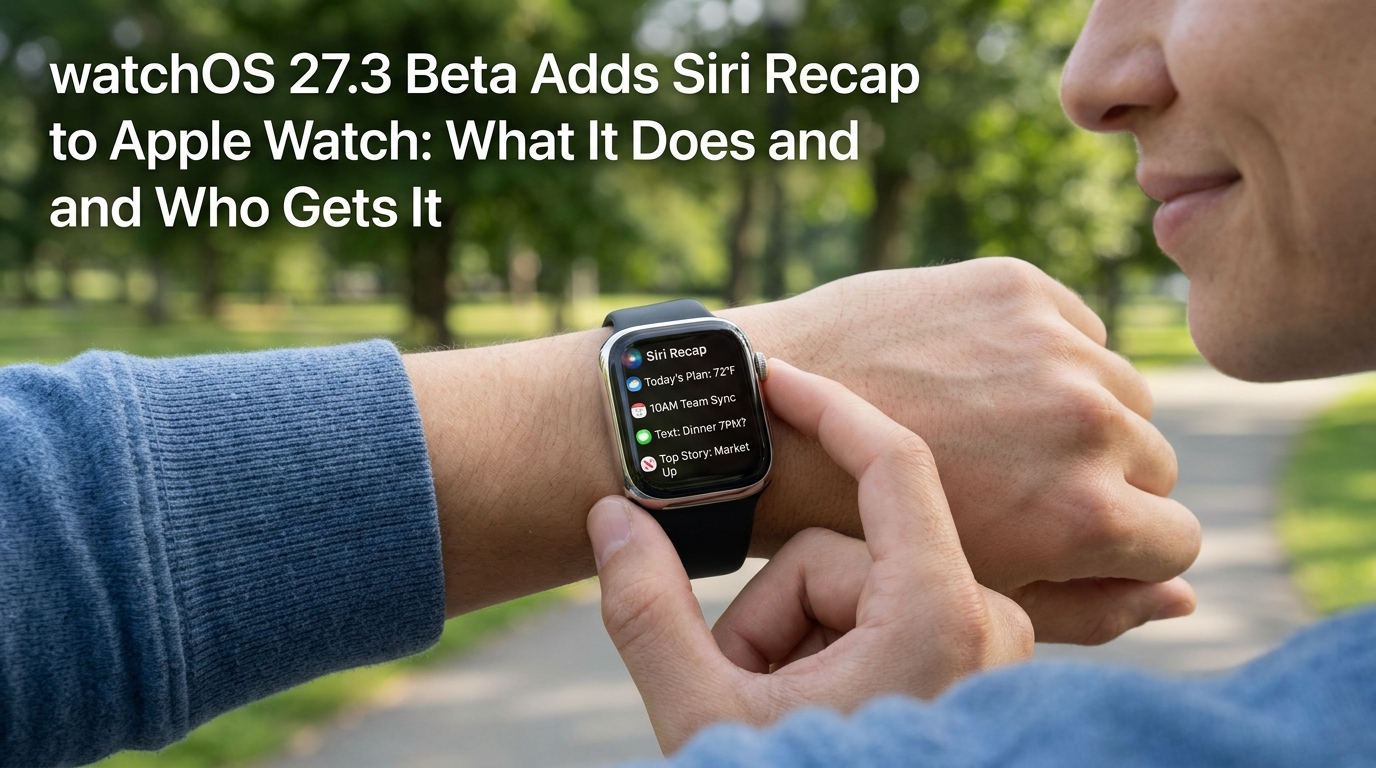
Apple’s watchOS 27.3 beta adds Siri Recap, an opt-in feature that turns daily conversations into short AI summaries on Apple Watch Series 12 and Ultra 4. Early testers are impressed, but privacy concerns remain.
Democrats won both the House and Senate on November 3, pushing AI data-center stocks lower and clean-energy shares higher. Fears of tougher oversight then deepened into a Nasdaq correction on Thursday, before a modest rebound on Friday.