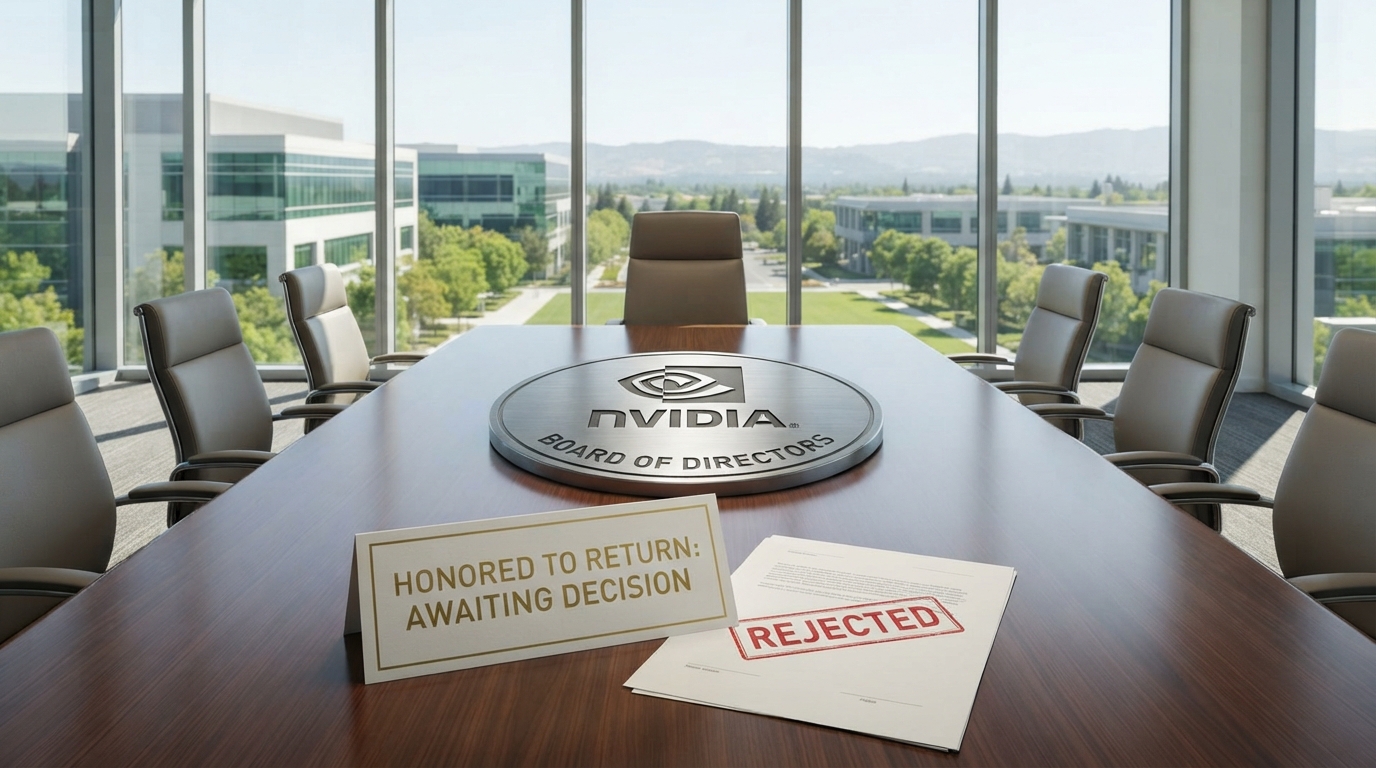
Nvidia Stock Plunges 14% as Fallout From Jensen Huang's Exit Deepens
Nvidia shares fell 14% on Friday, Nov. 20, ending a seventh straight losing week as investors worry about life without co-founder Jensen Huang and a reported SEC review of the company's accounting.

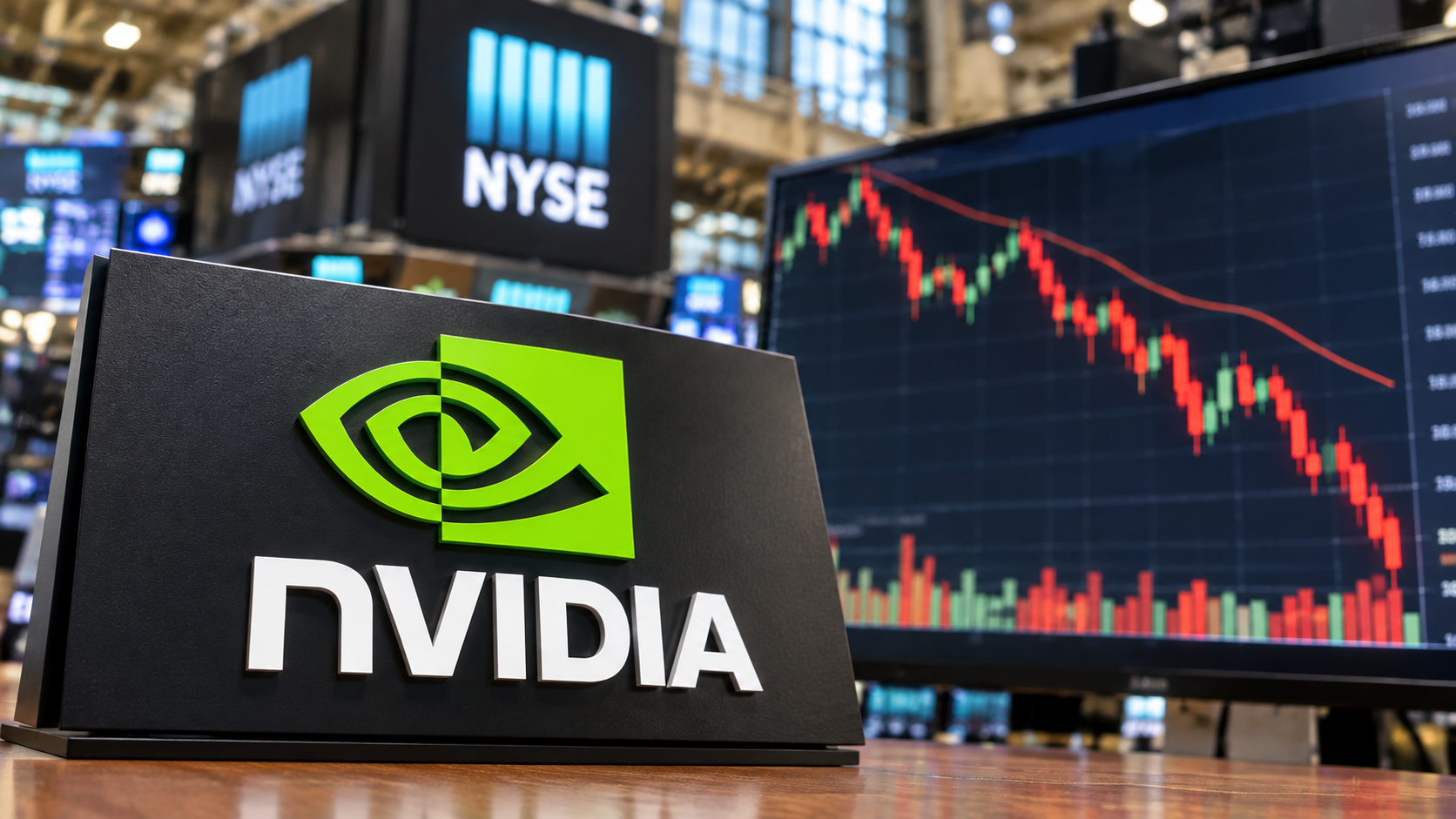
This AI-generated image is an illustrative representation for informational purposes only. It does not depict actual NVIDIA stock trading activity or real-time market data.
Author's Review
The numbers are dramatic, but the story is more mixed than the headlines suggest. Nvidia had just reported record revenue, yet the stock kept sliding. To me, that shows investors are pricing in leadership, regulatory and AI-spending risk all at once, not just chip demand. The SEC reports are still unconfirmed, so they are a risk to watch, not a verdict. This is news analysis, not investment advice.
What Happened to Nvidia Stock
Nvidia stock tumbled 14% on Friday, closing near $125.53, its seventh straight daily loss. According to CNBC, it has now fallen for seven consecutive weeks, the longest streak since 2008, losing about 46% and roughly $2.6 trillion in market value. Nvidia is now the fourth most valuable company, behind Apple, Microsoft and Alphabet.
The drop deepened after Reuters reported, citing two people briefed on the matter, that SEC enforcement staff are examining potential accounting issues at Nvidia. Reuters said it could not establish when the inquiry began or which matters are involved, and such inquiries are not evidence of wrongdoing.
How Jensen Huang's Exit Unfolded
On Nov. 12, Nvidia's board announced that Huang had resigned as president, CEO and director, effective immediately. CFO Colette Kress became interim CEO, and former Synopsys chief Harvey Jones became the board's first-ever chair.
Jones later said the resignation followed the disclosure of personal behavior that conflicted with the company's code of conduct. Media reports described extramarital relationships, including one with a woman U.S. intelligence agencies reportedly suspect of being a Chinese spy. Shares closed 4.3% lower that day after falling as much as 14% intraday.
On Nov. 17, Huang said he would be honored to return if the board asked. The board said it does not intend to reinstate him and has hired a search firm to find a permanent CEO.
Why Strong Earnings Did Not Stop the Slide
Nvidia reported third-quarter revenue of $115.8 billion on Nov. 17, up 103% from a year earlier, beat estimates and raised its outlook. Kress told analysts that customers and partners remain committed. Still, three pressures kept weighing on the stock.
Leadership Uncertainty
No permanent CEO has been named, and investors have no clear timeline. Huang built the company over 33 years, so any successor faces a high bar.
Regulatory Scrutiny
The SEC report adds legal risk, and Nvidia's chips are already sensitive politically. Blackwell chips and U.S. export controls have been a flashpoint in Washington for months.
AI Spending and Competition
CNBC notes the slide began before the scandal, as investors questioned how long the AI buildout can last and watched Google and AMD emerge as chip rivals. Those worries echo wider debates over AI spending and U.S. recession risk.
Is Nvidia Cheap Now?
CNBC reports Nvidia trades at about 8.4 times forward earnings, versus 29 times for AMD. Bulls call the selloff an overreaction. Bears say leadership, legal and AI-demand risks justify a lower multiple. A low valuation does not remove the uncertainty.
What to Watch Next
- Whether Nvidia names a permanent CEO and how quickly.
- Any official word from the SEC or Nvidia on the accounting inquiry.
- Whether big customers keep ordering at the pace Kress described.
Huang remains Nvidia's largest individual shareholder, with roughly 3.6%, mostly held through family trusts, according to filings reported by Korea's Herald. Analysts say that makes a sudden mass sale unlikely. For background, see CNBC's video on the ownership structure protecting Huang's Nvidia shares.
For everyday investors, Nvidia sits inside many index funds and retirement accounts. A diversified, long-term plan matters more than daily headlines, and a licensed financial adviser can help.
Bottom Line
Nvidia's business looks strong, but its stock now carries leadership, regulatory and AI-spending questions at once. A permanent CEO and clarity on the SEC review are the next catalysts. Until then, expect volatility.
FAQs
Why did Nvidia stock fall 14% on Nov. 20?
Selling intensified after Reuters reported the SEC is examining potential accounting issues at Nvidia. It came on top of leadership worries after Jensen Huang's exit and doubts about AI spending.
Will Jensen Huang return as Nvidia CEO?
Unlikely for now. Huang said he would be honored to return, but the board said it does not intend to reinstate him and is searching for a permanent CEO.
Is the SEC investigating Nvidia?
Reuters and The Wall Street Journal reported an SEC inquiry, citing sources. The full scope is unclear, and such inquiries do not prove wrongdoing.
Elena Rostova
B2B Operations Consultant & Business Editor
Elena Rostova is a B2B strategy consultant specializing in digital operations, regulatory risk management, and scaling business models. She writes on corporate licensing, operational frameworks, and enterprise growth.
Follow Tech Level Business on Google
Add us as a preferred source to find more of our journalism in Google Search.