Surface Laptop Ultra Explained: What Microsoft and Nvidia's AI Laptop Means for You
Microsoft and Nvidia unveiled the Surface Laptop Ultra built around the new RTX Spark chip. Here is what local AI means, what remains unconfirmed, and who should care.

Date: Wednesday, October 7, 2026
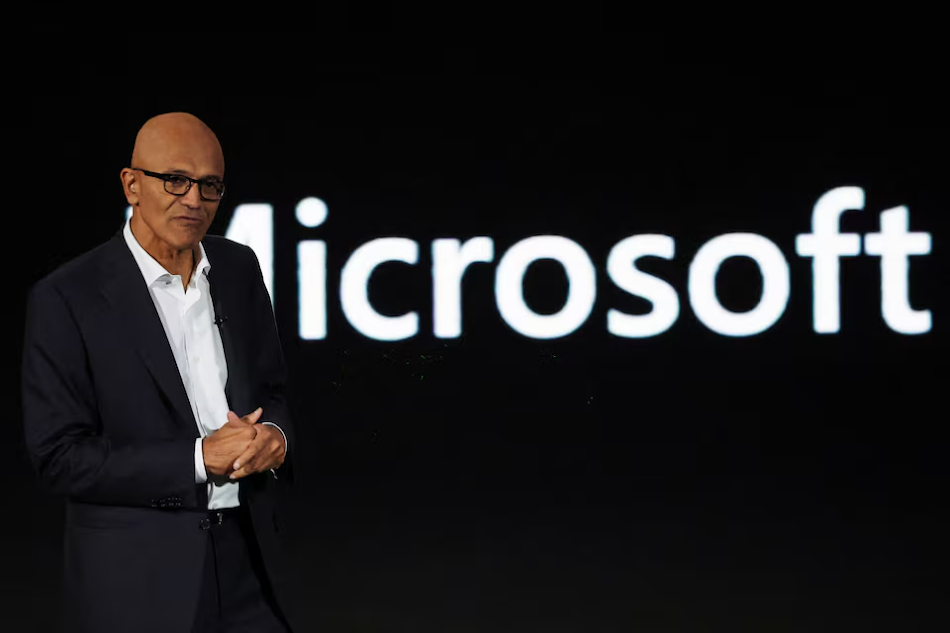
On October 7, 2026, Microsoft CEO Satya Nadella and Nvidia CEO Jensen Huang introduced the Surface Laptop Ultra at an event in San Francisco. It is a premium Windows laptop built around Nvidia's new RTX Spark chip, and its big promise is running AI on the laptop itself instead of in the cloud.
Is that useful, or just hype? Here is a quick, plain-English look at what is confirmed, what is not, and who should care. If you are comparing AI laptops, start here.
What Was Announced
The laptop
The Surface Laptop Ultra has a 15-inch mini-LED touchscreen that Microsoft says reaches up to 2,000 nits of peak HDR brightness. Microsoft calls it the most powerful Surface laptop it has built. It was first revealed in June 2026, with a "fall 2026" arrival promised.
The chip
Nvidia says its RTX Spark platform can reach up to 20 CPU cores, 6,144 graphics cores, 128GB of unified memory and 1 petaflop of AI performance. Those are top-end figures, so cheaper versions will offer less. The chip also reportedly uses Arm technology, a big step for Windows on Arm.
What "Running AI Locally" Means
Most AI tools work like streaming a movie: your request goes to a data center and the answer comes back. Local AI is like having the movie downloaded. The work happens on your own machine, which can be faster and keeps files off the cloud. The laptop is aimed at AI "agents," software that can handle multi-step jobs such as writing code.
Microsoft also has a business reason: if customers' laptops do more AI work, less of it runs in Microsoft's costly Azure data centers.
What Is Still Unconfirmed
- Price: estimates run from under $3,000 to over $7,000, but they are leaks and guesses, not Microsoft figures.
- Exact release date: Microsoft has only said "fall 2026."
- Real-world performance: so far, speed claims come from company demos, not independent reviews.
What It Means for Everyday Users
Most people
If you mostly browse, email, stream or study, you do not need this laptop. Cheaper machines handle those tasks well. The benefit for you is indirect: AI hardware in premium laptops tends to reach mainstream models later.
Developers, creators and IT buyers
This is the target audience. Running AI agents, working with large files or testing AI tools without per-use cloud fees could justify a powerful local machine, if price and performance hold up.
Things to Watch
- Cost: analysts say price is the biggest question, since a memory-chip shortage has already raised laptop prices.
- Security: letting an AI agent access your files carries risk, and Reuters noted Nvidia is working to avoid a repeat of the Hugging Face hack. Read up on AI privacy and security, and know how to handle a data breach, before granting access.
- App compatibility: check that your key software runs well on Arm-based Windows.
Conclusion
The Surface Laptop Ultra shows that Microsoft and Nvidia want Windows PCs to run AI agents themselves. For most people, patience is the smart move: price, release details and independent reviews are still missing. Buy based on what you actually do on your computer, not on the hype.
Sources: Reuters; Thurrott and Windows Report on Microsoft and Nvidia announcements; CNBC via Benzinga.
Alex Vance
Senior Tech Analyst & Systems Architect
Alex Vance is a Systems Architect and Senior Tech Analyst with over 8 years of experience evaluating cloud infrastructure, AI integration, and enterprise software models. He focuses on practical, scalable technology deployment for modern businesses.