How the Midterms Could Fuel the K-Shaped AI Trade
As the 2026 midterm election results settle, Wall Street analysts predict a widening divergence in artificial intelligence investments. Democratic gubernatorial wins are expected to tighten regional permitting and power grid access for new hyperscale data centers.

Policy Gridlock and Permitting Bottlenecks
Developing next-generation AI data centers requires massive electrical power and long lead-time grid connections. State governors hold immense leverage over land zoning, water usage rights, and utility approvals. Blue-state administrative wins bring stringent carbon-emission standards and local community oversight, adding months — if not years — to data center development timelines. Companies that lack secured energy assets risk operational stalls, directly influencing daily business operations across the enterprise technology landscape.
Defining the K-Shaped AI Trade Split
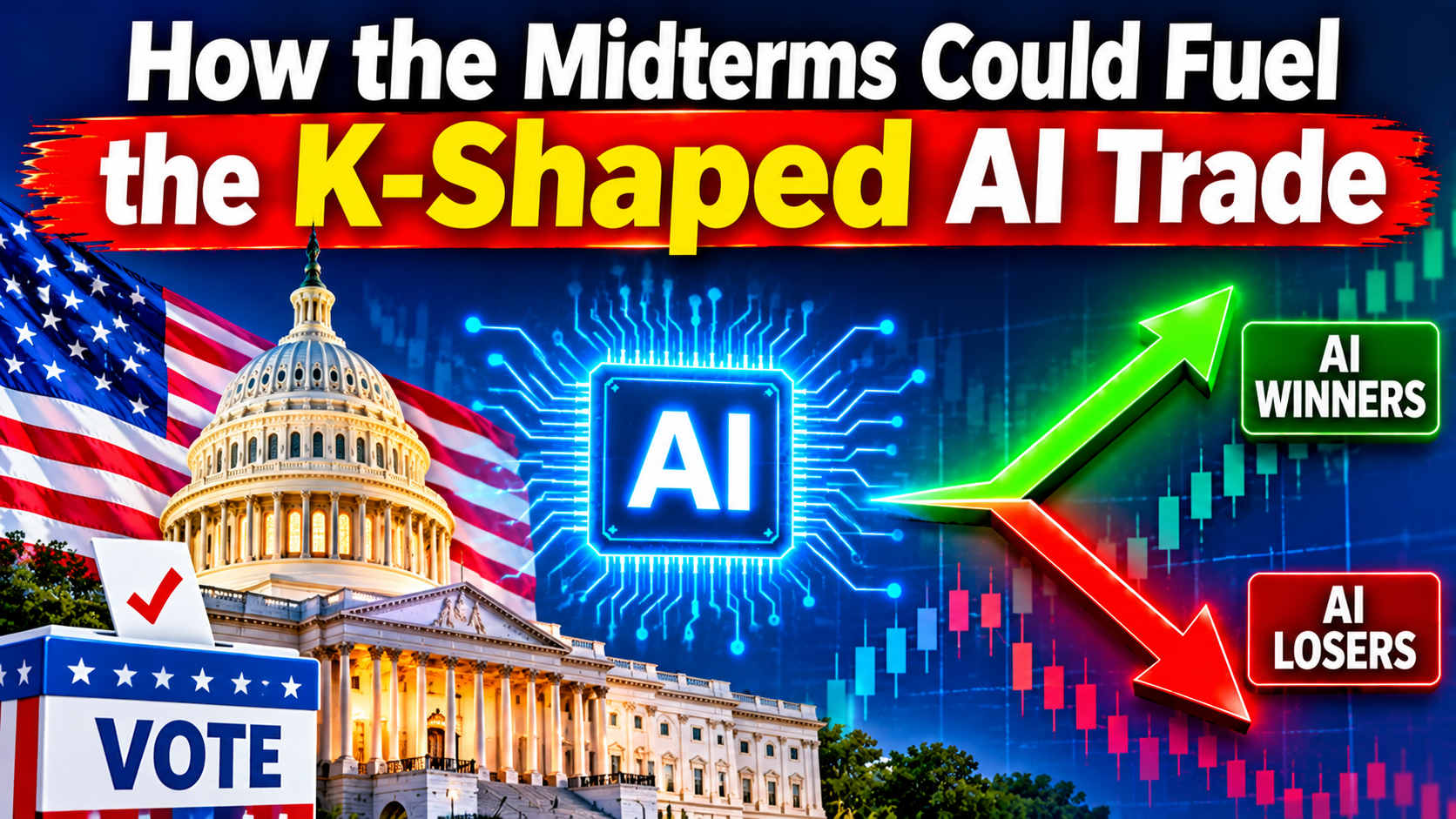
The emerging K-shaped dynamic separates market participants into two clear trajectories. The upper leg consists of incumbent tech giants and funded hyperscalers with pre-contracted nuclear or renewable power agreements. These leaders can weather regulatory hurdles smoothly. Conversely, the lower leg includes speculative AI developers and secondary infrastructure firms struggling to acquire grid allocation. CNBC AI Data Centers Coverage highlights that energy constraints are rapidly becoming the primary driver of market performance over hardware availability.
Investor Playbook for Post-Election Tech Strategy
Navigating this election-driven shift requires a selective investment approach. Investors should prioritize cash-rich tech platforms capable of acquiring localized power assets or partnering directly with utility providers. Market experts reviewing macro tech cycles, such as insights from This Week in Startups Analysis, emphasize that political gridlock and regional permitting will reward companies with diversified geographic footprints and established capital reserves.
Frequently Asked Questions
What is the K-shaped AI trade?
It describes a diverging market trend where market-leading, well-funded AI and data center companies thrive, while smaller, power-constrained firms lag due to regulatory and infrastructure bottlenecks.
How do midterm elections impact AI data center expansion?
State-level gubernatorial results directly dictate local environmental regulations, power utility approvals, and zoning permits needed to build hyperscale data infrastructure.
Why is energy access becoming a bottleneck for AI growth?
AI workload processing requires immense electrical power. Regulatory grid bottlenecks and delayed utility permits prevent new data centers from coming online on schedule.
The midterm elections have reshaped the AI investment landscape, elevating power grid accessibility to a central factor in corporate valuation. As regulatory headwinds divide tech stocks into upper and lower tiers, market participants must shift away from broad sector momentum and focus on capital discipline, regulatory clearance, and energy infrastructure.
Elena Rostova
B2B Operations Consultant & Business Editor
Elena Rostova is a B2B strategy consultant specializing in digital operations, regulatory risk management, and scaling business models. She writes on corporate licensing, operational frameworks, and enterprise growth.